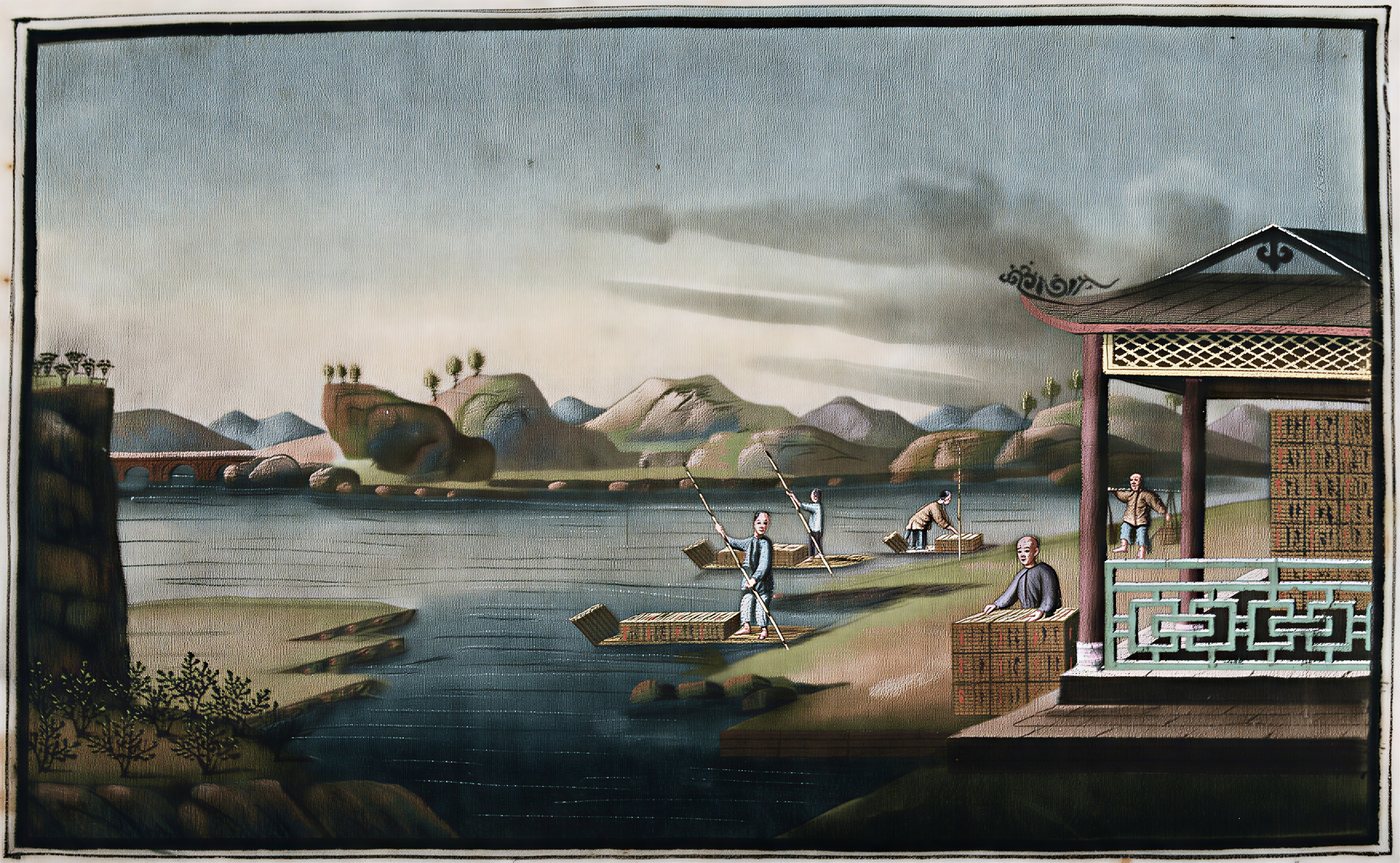
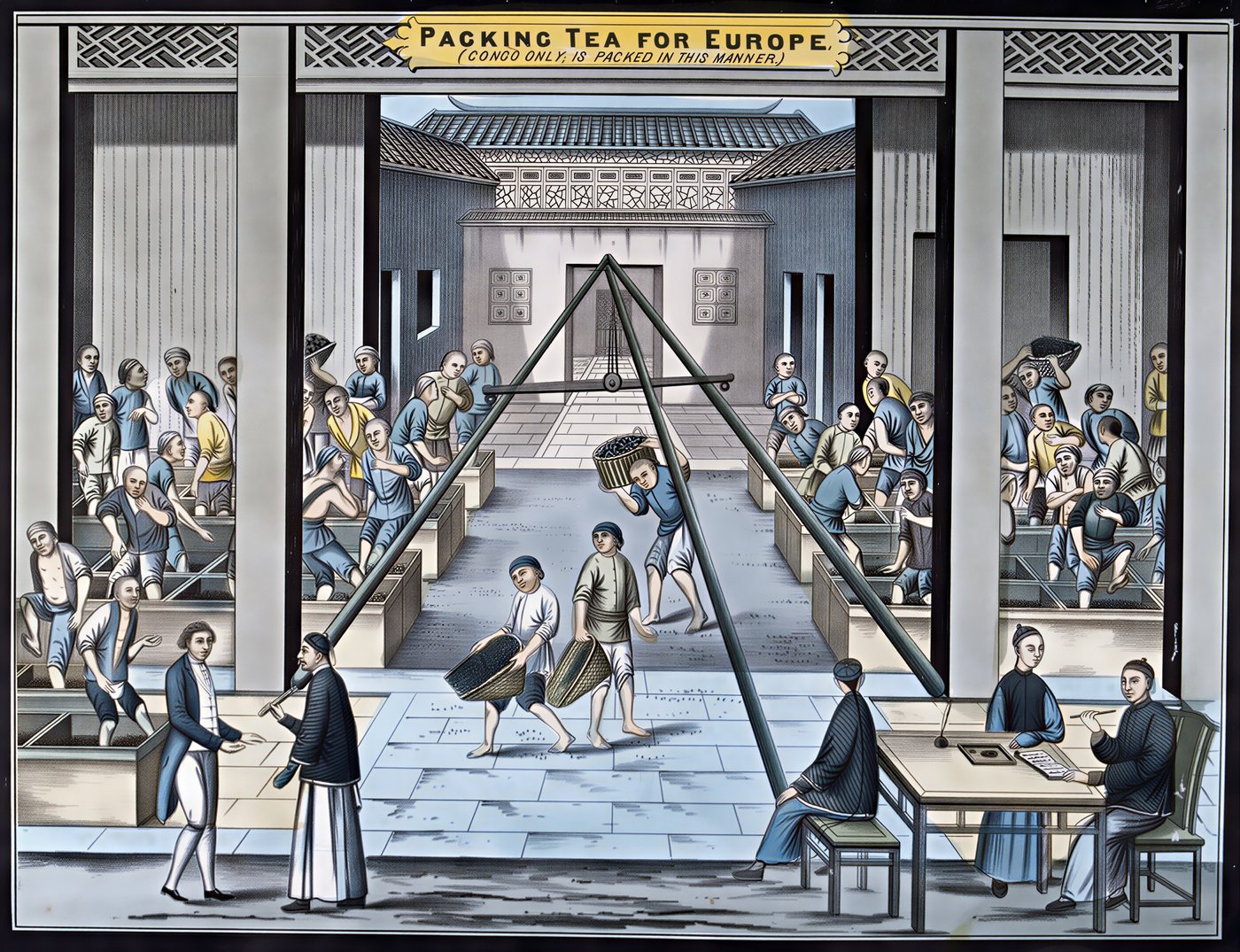
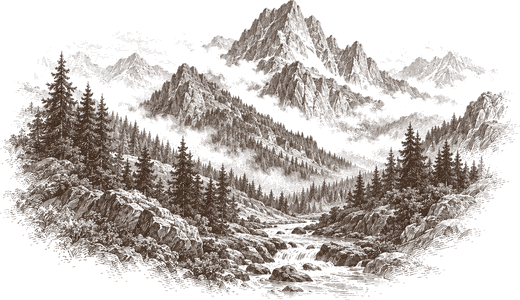
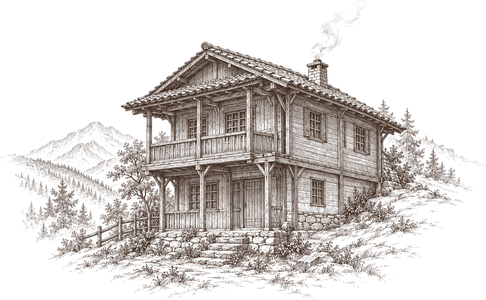
Black tea once left these mountains packed in wooden chests. Ours leave in small boxes now, but we still name each one for the landscape it comes from. Open a chest to see the box inside.
“Packing tea for Europe.” Congou black tea pressed into chests, Canton, c. 1800. Wellcome Collection.
Consigned from TongmuNº 01
Whisper
松风Song Feng · pine wind
Light, refined, calm.
Leaf
Slender, well-formed, a light forest aroma.
Liquor
Bright orange-red, very clear.
Cup
Elegant and smooth, floral sweetness, an airy finish.
$59
10 tea bags · 50 g
SOLD OUT NEXT HARVEST
Consigned from TongmuNº 02
Grove
竹野Zhu Ye · bamboo field
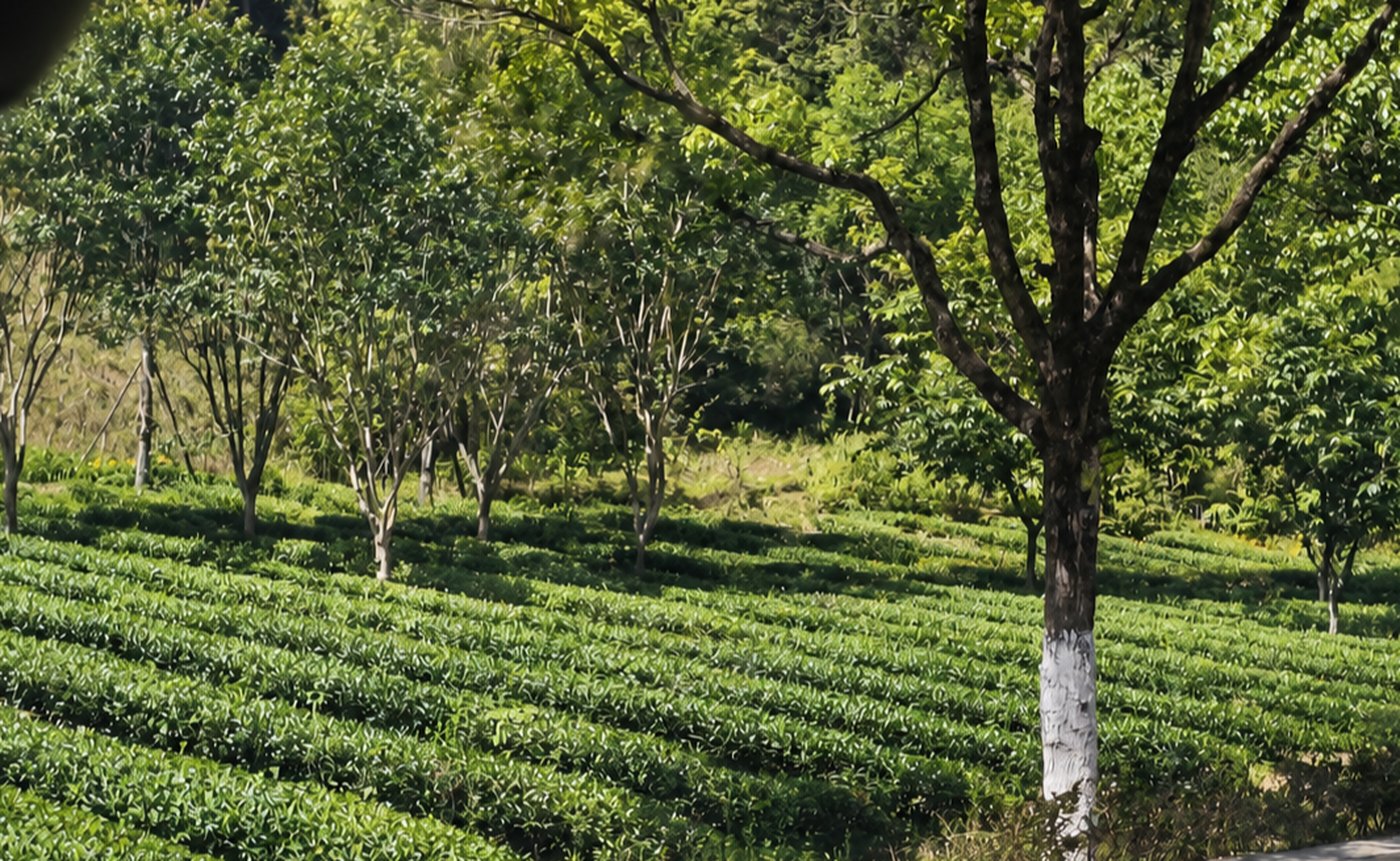
Fresh, natural, quietly expressive.
Leaf
Well-twisted, with a matte, natural look.
Liquor
Golden amber, transparent.
Cup
Soft and balanced: wildflowers, light wood, a clean finish.
$39
10 tea bags · 50 g
SOLD OUT NEXT HARVEST
Consigned from TongmuNº 03
Ember
赤甘Chi Gan · red sweet
Warm, grounded, quietly powerful.
Leaf
Dark, tightly twisted, a subtle sheen.
Liquor
Clear amber-red, bright and luminous.
Cup
Full-bodied, layered sweetness, a gentle roasted warmth.
$49
10 tea bags · 50 g
SOLD OUT NEXT HARVEST
Gift set
The Wild Trilogy
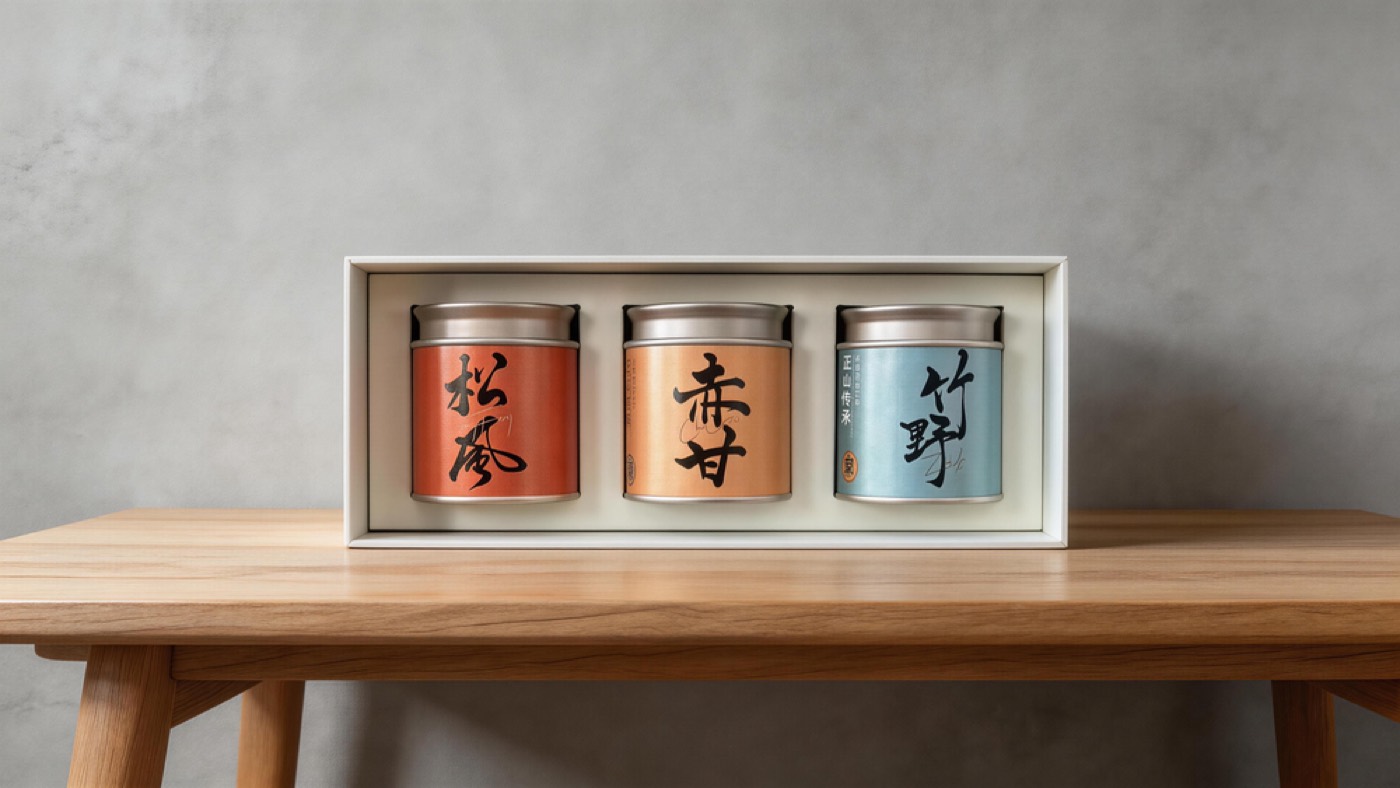
All three teas in one box: a way to taste the mountain side by side, or to give it to someone who drinks coffee.
Whisper 松风25 g tin
Grove 竹野25 g tin
Ember 赤甘25 g tin
$69
3 × 25 g · sold out
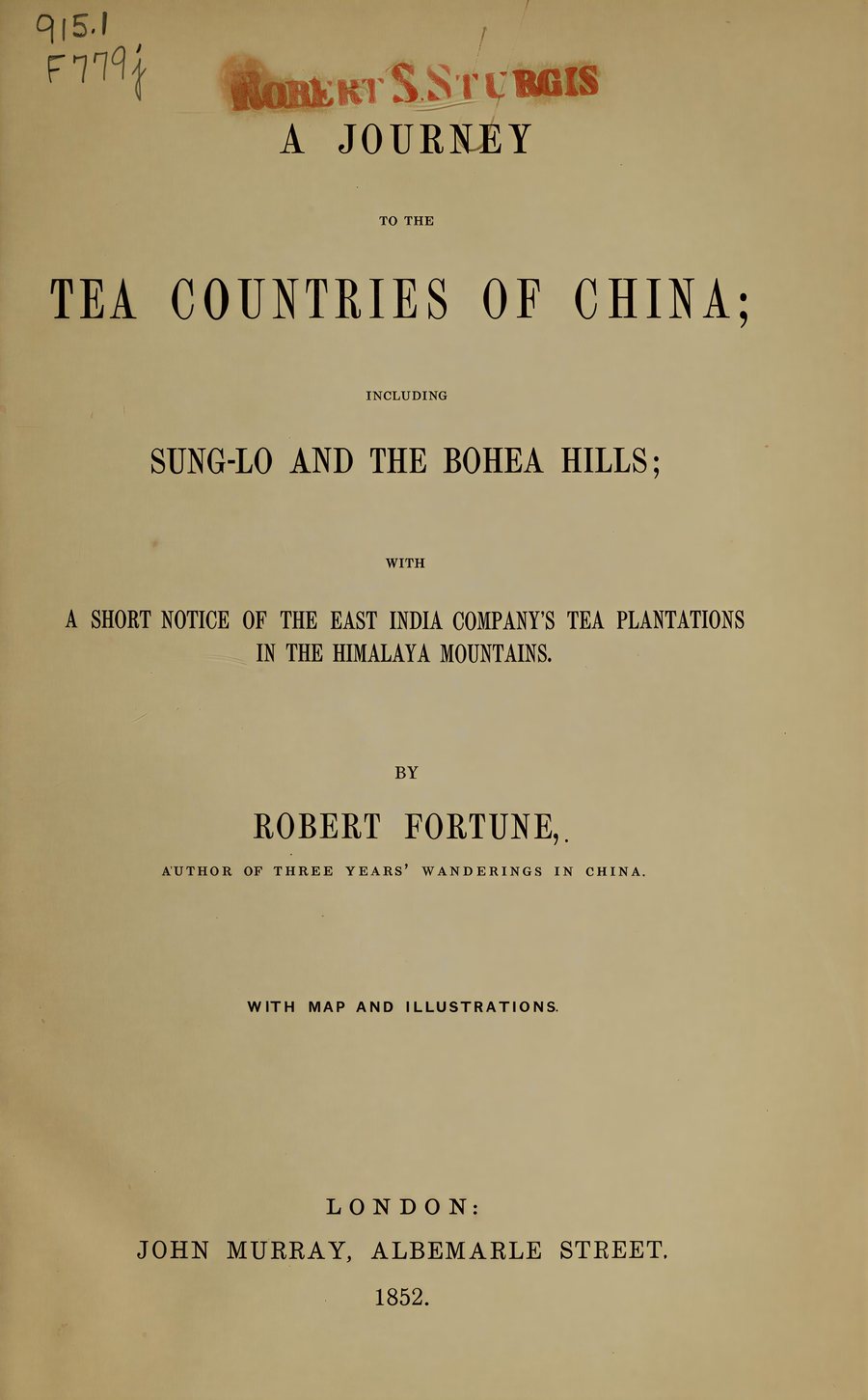
Robert Fortune, A Journey to the Tea Countries of China, 1852.
From the archive
The West came looking for the “Bohea Hills.”
In 1849 the botanist Robert Fortune travelled into the Wuyi Mountains for the East India Company, to learn how black tea was made and carry the plants to India. Our village is in those hills.
1,320–1,480m
From the valley floor to our highest gardens, among pine and bamboo.
UNESCO
Wuyi Mountain is a World Heritage site, for its ecology and its culture.
6th
Generation of the tea maker’s family making tea in this village.
巳时9–11 am
Our story
One day and one night in Tongmu.
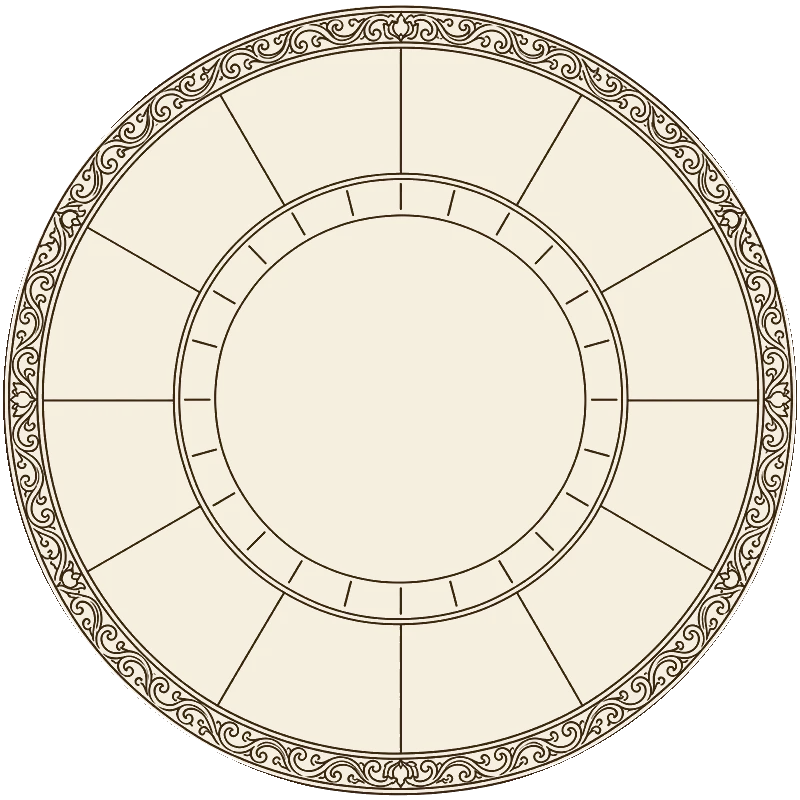
This is how our tea is made, hour by hour. Every time below is the real time the footage was shot, on May 18 and 19. The dial in the corner counts the old Chinese way, in twelve double-hours.
10:01
The road up · 10:01 am
Up the mountain the soil turns sandy. “Yanyun, the rock rhyme, can’t really be explained,” says the man at the wheel. “You have to come up the mountain and feel it for yourself.”
13:42
The house · 1:42 pm
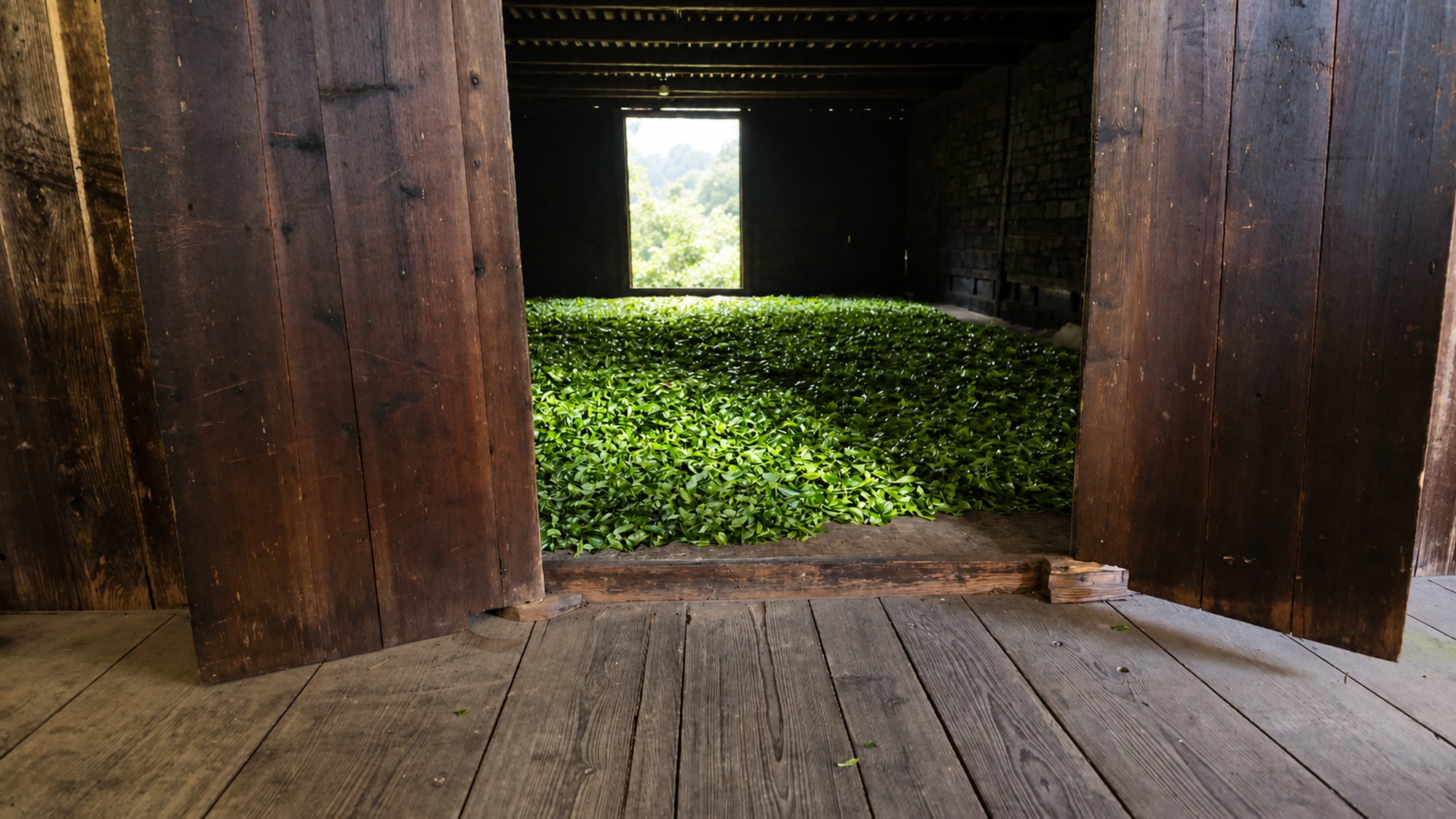
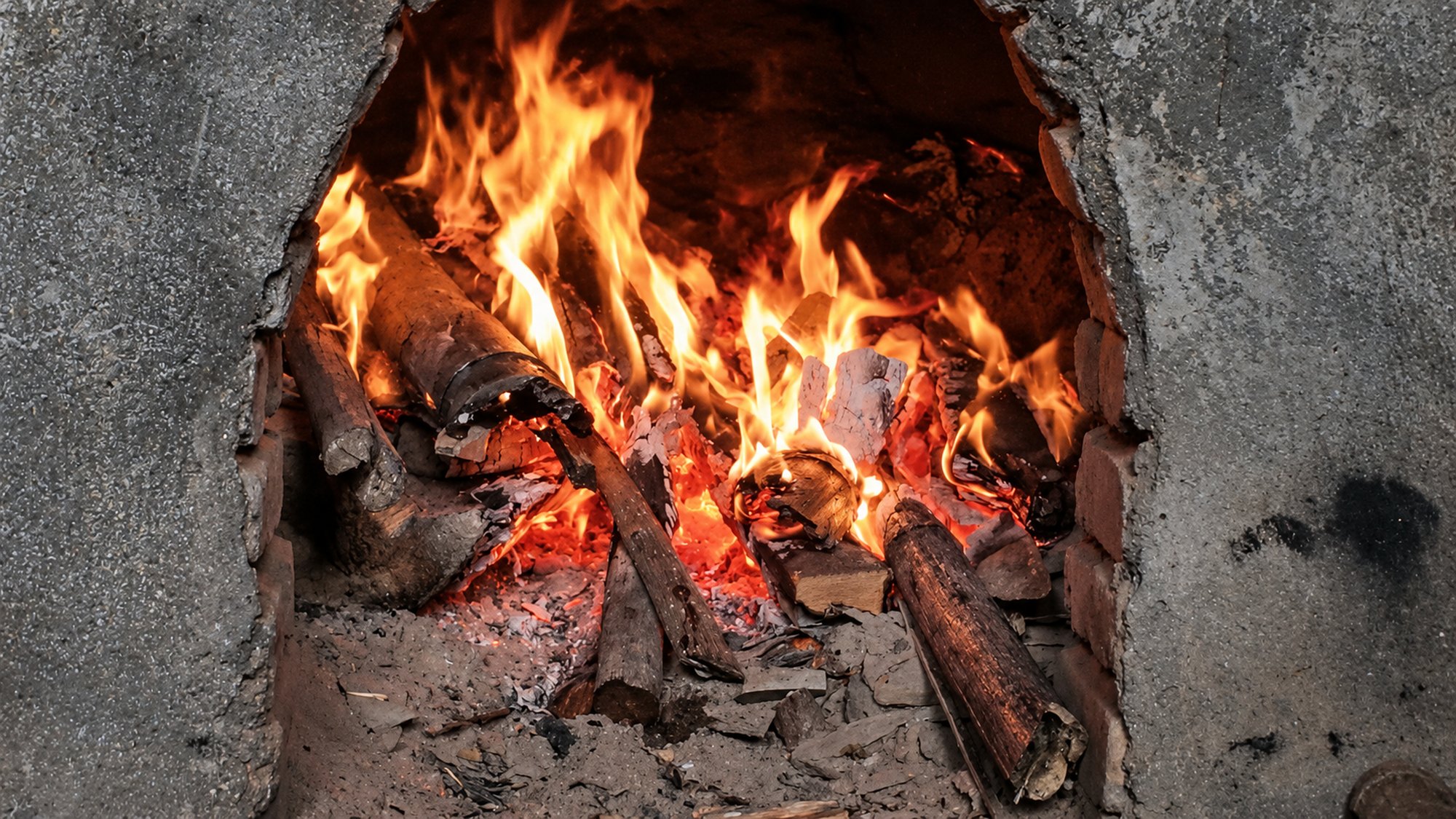
Before picking begins, the qinglou, our drying house, is warmed for two or three days with an empty burn of mixed wood. “Once it’s warm, we begin picking.”
14:50
Picking · 2:50 pm
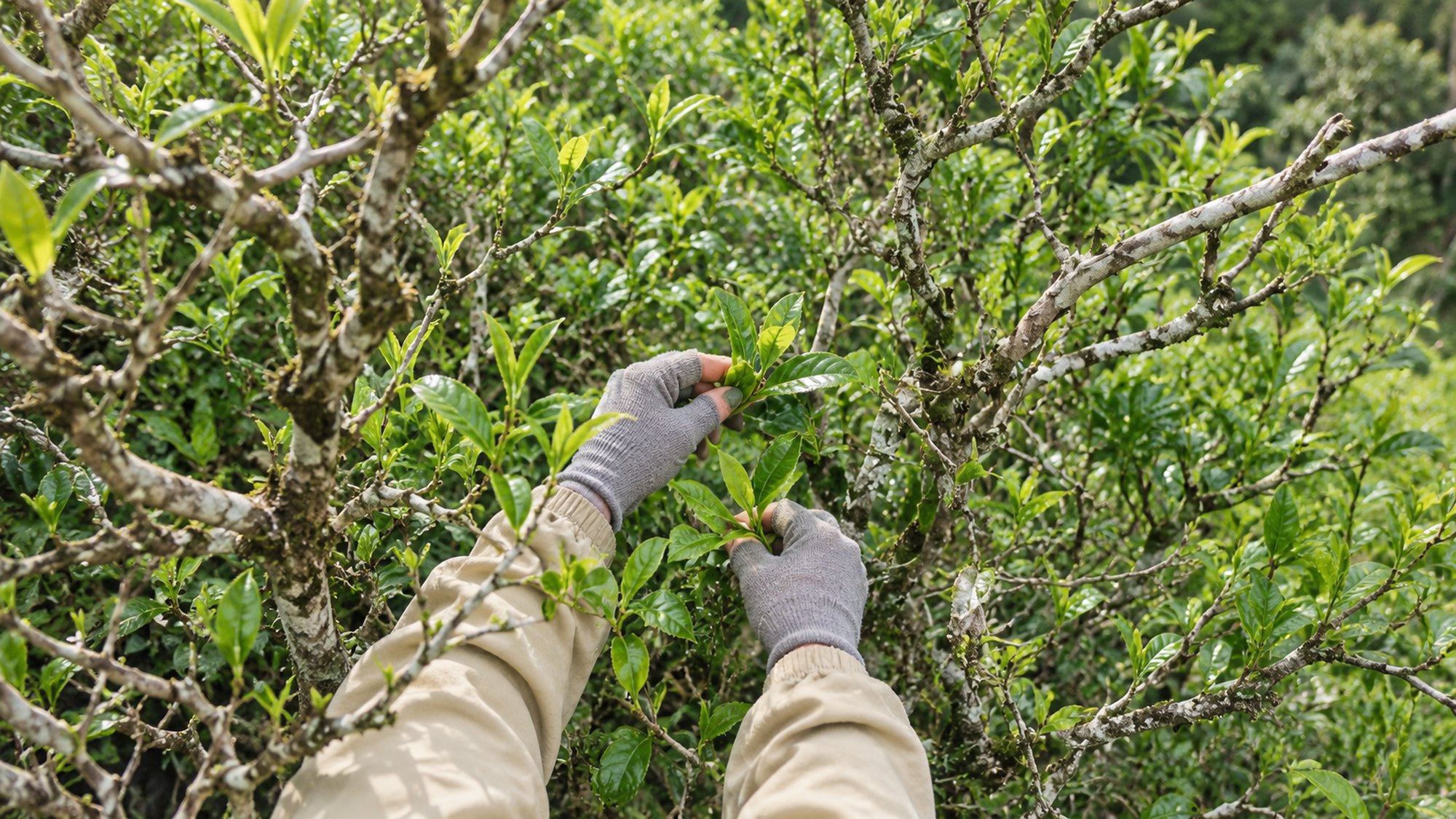
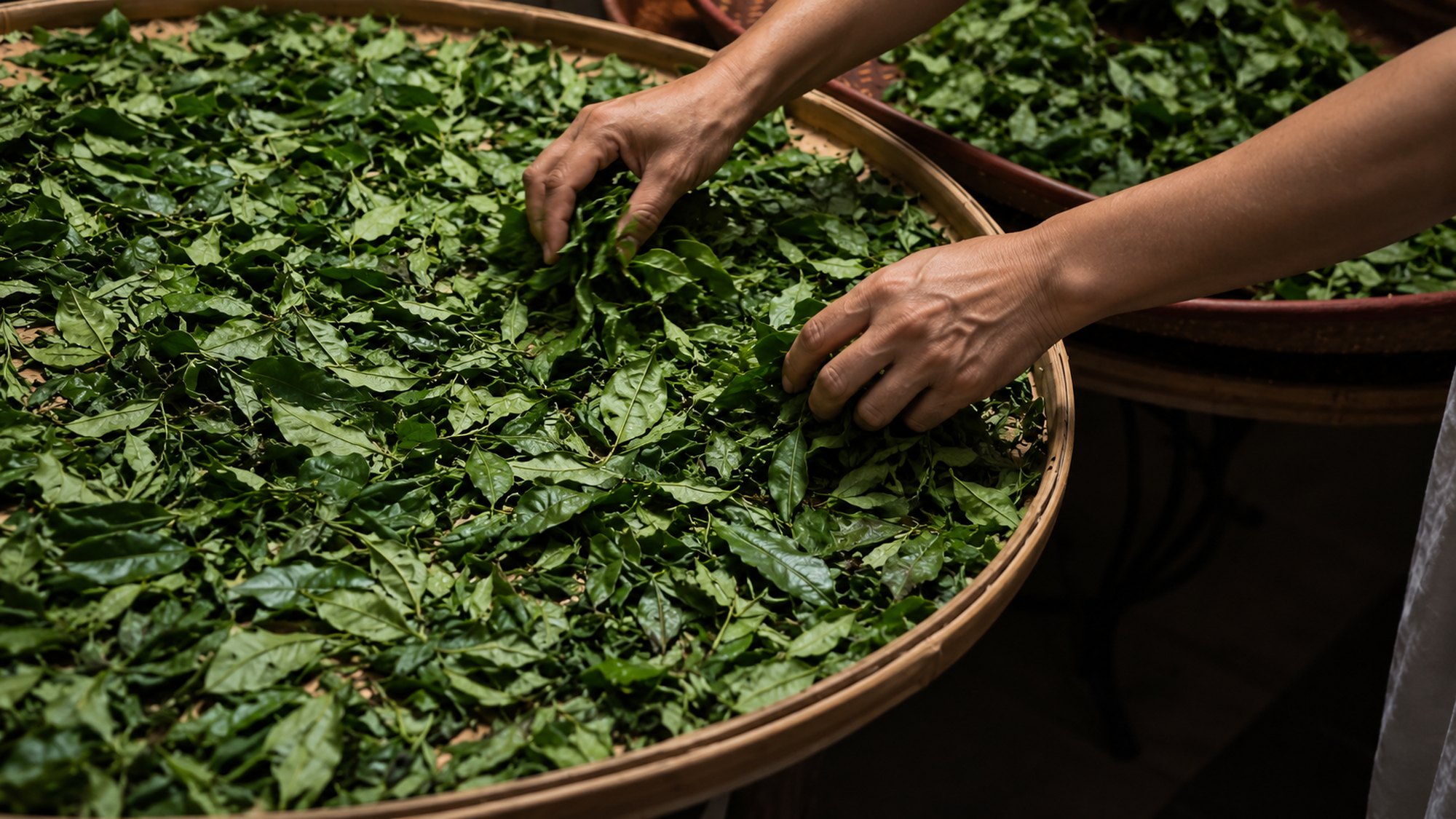
In May the leaves are picked by hand on the slope, then carried in and spread out to rest.
By hand, on the slope.
16:40
Inside the smoke · 4:40 pm
“Doesn’t the smoke get to you?” “No. You get used to it. The first two days, your eyes go red and swell.”
18:06
Gathering · 6:06 pm
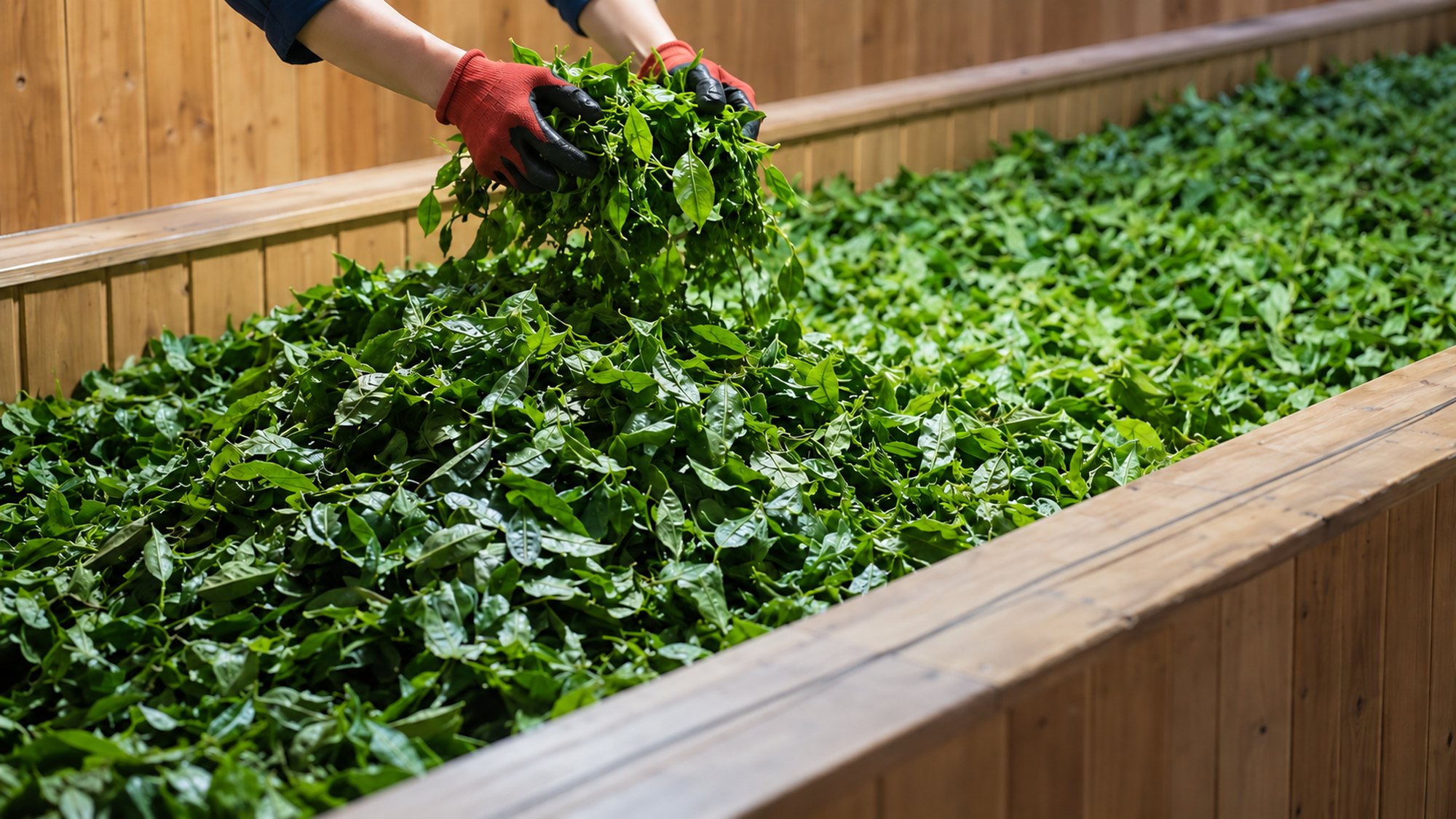
By evening the leaves are tossed evenly and the thickness is evened out. “It’s like shuffling mahjong tiles.”
23:34
Eight hours · 11:34 pm
“It was 3:34 this afternoon. It’s 11:34 now. Eight hours exactly.” A handful should feel like a puff of cotton, and when you squeeze it, it must not break.
09:24
Next morning · 9:24 am
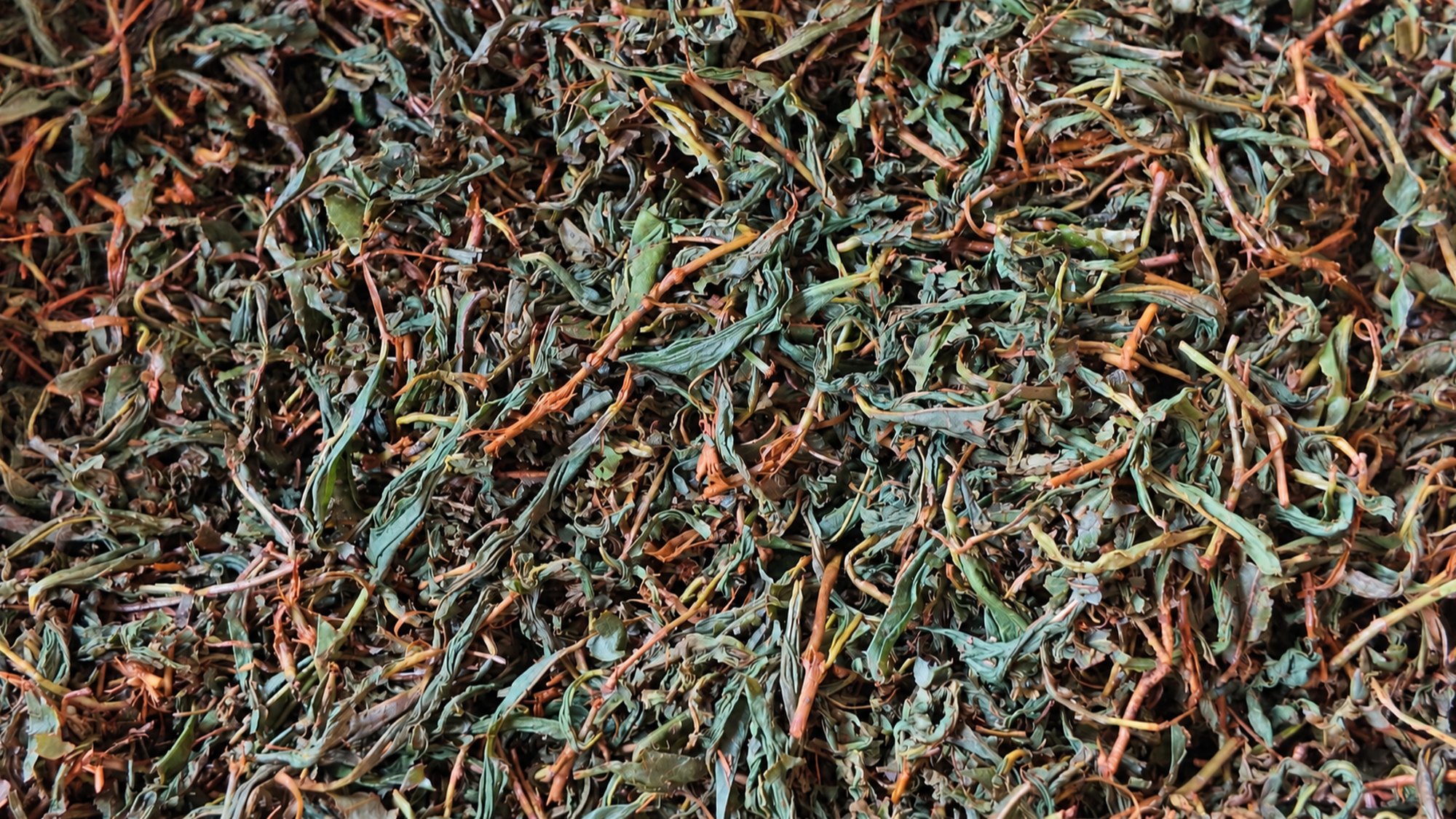
By morning the leaves rolled in the night have turned from green toward reddish brown.
The film
Filmed at our tea house in Tongmu Village.
May 2026. In Mandarin with English subtitles. The cup of tea at the end is stock footage until we film our own.
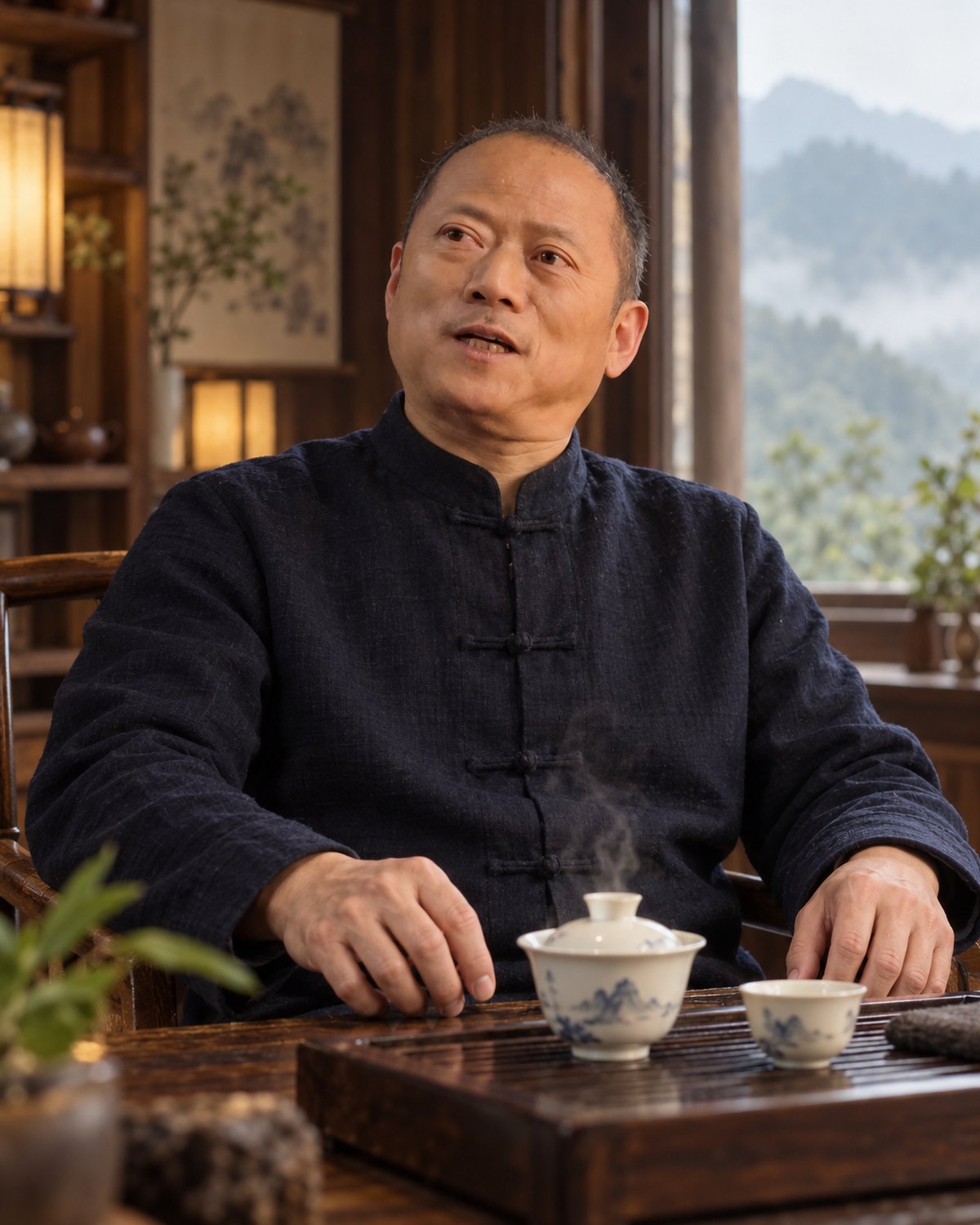
I look at what a person does, and the promises they keep.
Tea maker · Tongmu Village · sixth generation
Born in the village where he still works, he started making tea at about thirteen.
Brewing
A cup in five minutes.
Every bag is one cup. No scale, no teapot needed.
One bag, one mugAbout 250 ml / 8 oz of water.
Water just off the boil95 °C / 203 °F.
Steep three to four minutesShorter for Whisper, longer for Ember.